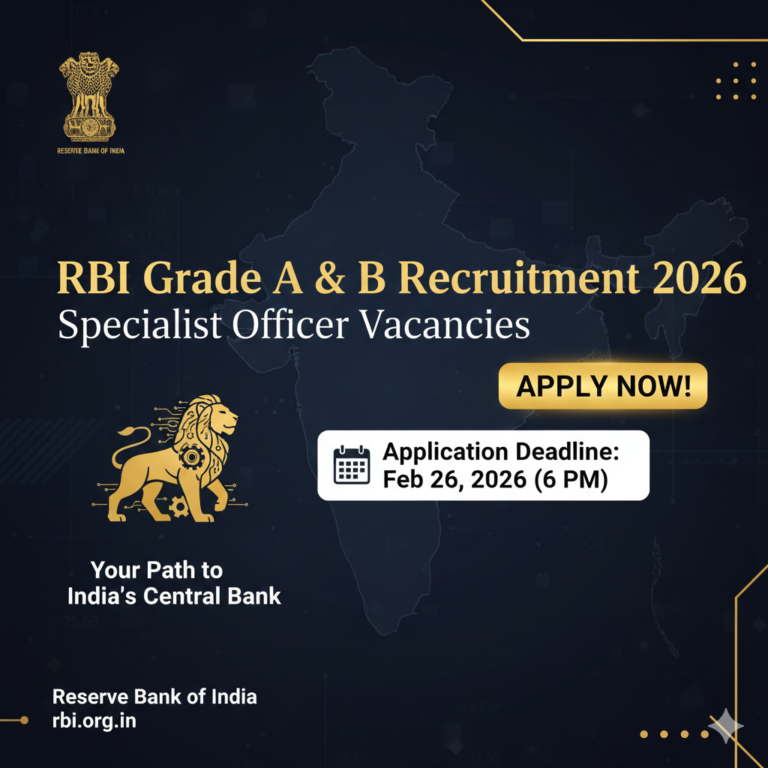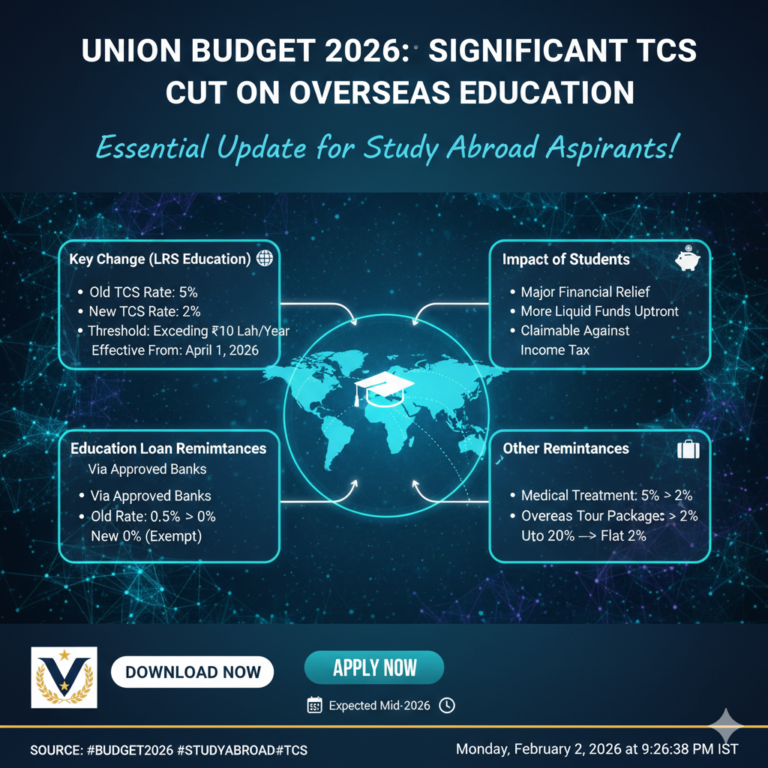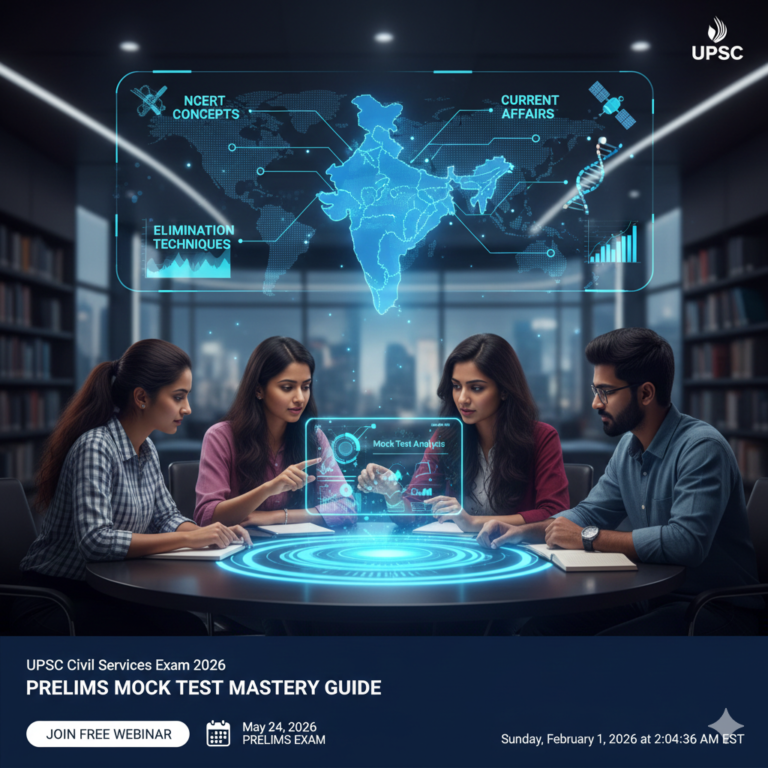
DST Recruitment 2026: Junior Science & Technology Officer Vacancies Announced – Prepare Now for Top Govt Jobs! Don’t Miss The Bonus Section.
Are you an aspiring civil servant with a passion for Science & Technology? The Department of Science & Technology (DST) is one of India’s premier bodies for scientific growth, and securing a position here is a significant step toward a prestigious Sarkari Result.
While the DST frequently recruits for Scientist ‘C’ and ‘D’ roles, the illustrative notification for Junior Science & Technology Officers highlights a critical path for those looking to merge technical expertise with public service.
Quick Info: DST Recruitment 2026
| Organization | Post Name | Total Vacancy | Last Date | Official Website |
| DST, Govt. of India | Jr. Science & Tech Officer | 150+ (Anticipated) | Dec 31, 2026 (Exp.) | www.dst.gov.in |
Eligibility & Selection Framework
To excel in these roles, candidates must possess a blend of academic excellence and an updated understanding of modern scientific trends.
I. Eligibility Criteria
-
Educational Qualification: Bachelor’s or Master’s degree in Physics, Chemistry, Biotech, Computer Science, or Engineering from a recognized university.
-
Age Limit: Generally 21 to 30 years. Age relaxations apply for SC/ST/OBC and PwBD candidates as per Central Government norms.
-
Core Competency: A strong grasp of Space Technology, Defense Systems, Biotechnology, and Energy, which aligns perfectly with the UPSC Prelims syllabus.
II. Selection Process
-
Written Examination: A multi-stage objective test assessing core scientific knowledge, analytical reasoning, and General Studies.
-
Skill Test/Mains: An in-depth evaluation of your specific technical discipline.
-
Interview: A personality test to assess your suitability for administrative and scientific roles in the government.
Preparation Strategy: The Science & Tech Edge
Since the DST exam mirrors the UPSC Science & Technology section, follow a PYQ-based strategy focusing on:
-
Space & Defense: Recent ISRO launches and DRDO missile systems.
-
Biotech: Genetic engineering, vaccines, and CRISPR-Cas9.
-
IT & Energy: 5G/6G technology, AI, and Green Hydrogen missions.
How to Apply: Step-by-Step
Once the Latest Job Notification is active on the official portal:
-
Portal Access: Go to the recruitment section at recruitment.dst.gov.in.
-
Registration: Sign up with a valid email ID and mobile number.
-
Application: Fill in your personal and academic details meticulously.
-
Uploads: Provide scanned copies of your ID, photo, and educational certificates.
-
Fee Payment: Complete the process via the online gateway (if applicable).
-
Submission: Review the form and download the confirmation for future reference.
To excel in the DST Junior Science & Technology Officer exam or the UPSC Prelims 2026, you must focus on the transition from “theoretical research” to “practical mission” success.
Based on the latest developments in 2025 and early 2026, here are the Top 10 Science & Technology topics that are highly likely to appear in your upcoming exams.
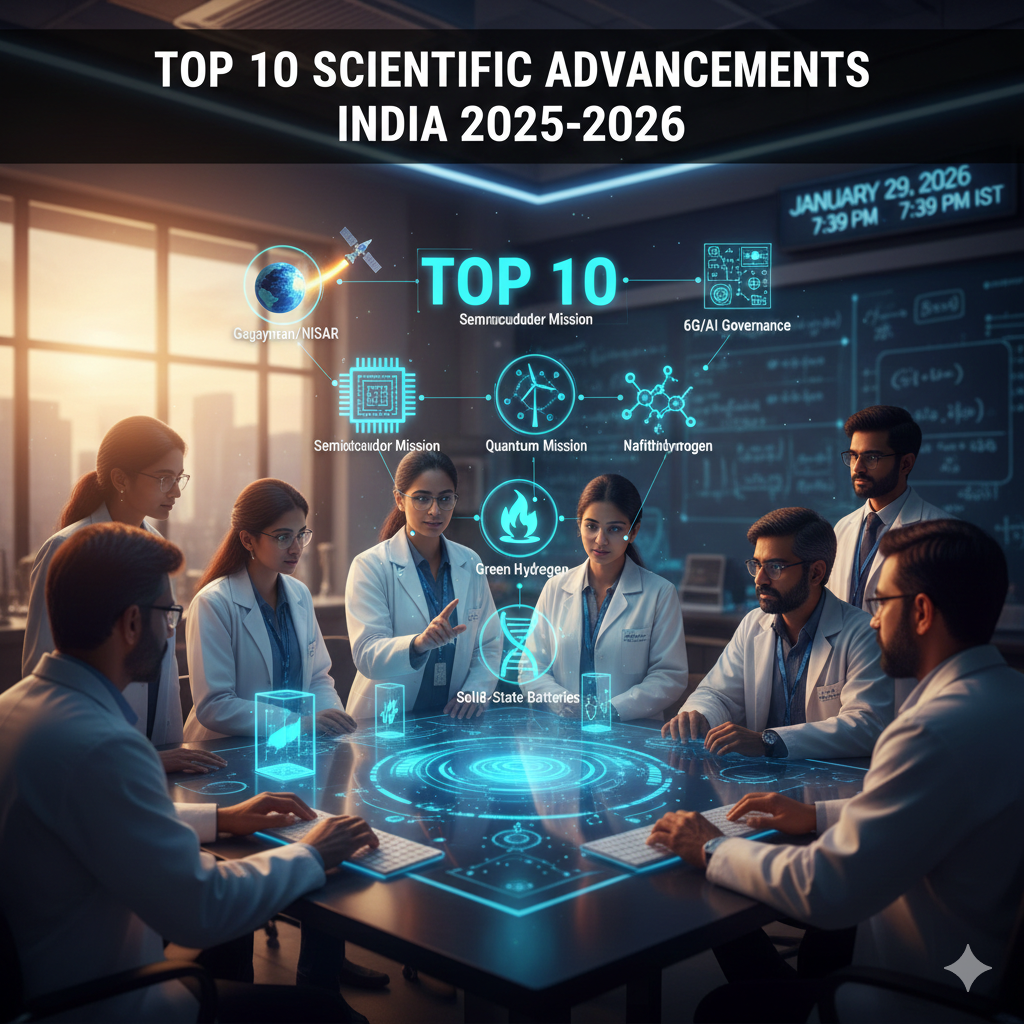
Bonus Section For Visitors – List of Top 10 Advancements in 2025-2026:
1. Gaganyaan G1 & Vyommitra (Space)
-
The Advancement: ISRO’s first uncrewed orbital test (G1) in Q4 2025/early 2026.
-
Key Detail: Look for the role of Vyommitra (a female humanoid robot) in testing life-support systems. Understand the “Crew Escape System” and the “Human-Rated LVM3” launch vehicle.
2. India Semiconductor Mission (Electronics/IT)
-
The Advancement: Commercial production of indigenous semiconductor chips in India (targeted by end-2025/2026).
-
Key Detail: Study the RISC-V “IRIS” Controller (India’s first indigenous chip for space) developed by IIT Madras and ISRO.
3. NISAR Mission (NASA-ISRO Partnership)
-
The Advancement: Launch of the NASA-ISRO Synthetic Aperture Radar (scheduled for mid-2025/2026).
-
Key Detail: It uses dual-frequency (L-band and S-band) radar to monitor Earth’s surface changes (glaciers, landslides, agriculture) with sub-centimeter accuracy.
4. National Quantum Mission – QShield (Quantum Tech)
-
The Advancement: Deployment of India’s first full-stack Quantum Security-as-a-Service platform.
-
Key Detail: Focus on Quantum Key Distribution (QKD) networks—specifically the 500km network developed by Indian startups—and the concept of “Quantum Supremacy” versus “Quantum Advantage.”
5. Nafithromycin: India’s First Indigenous Antibiotic (Health)
-
The Advancement: Clinical validation and market launch of Nafithromycin (Miqnaf).
-
Key Detail: This is the first molecule completely developed in India to fight Antimicrobial Resistance (AMR), specifically targeting resistant respiratory infections.
6. National Green Hydrogen Mission (Energy)
-
The Advancement: Pilot-scale projects for hydrogen-driven microgrids and “Green Mobility” hubs (2025-26).
-
Key Detail: Difference between Green, Blue, and Grey Hydrogen and the role of “Electrolyzers” in achieving India’s Net Zero 2070 goal.
7. Dhvani: India’s Hypersonic Glide Vehicle (Defense)
-
The Advancement: Progress in the Dhvani Missile tests.
-
Key Detail: Hypersonic technology (speed > Mach 5). Understand the difference between Hypersonic Cruise Missiles and Hypersonic Glide Vehicles (HGV).
8. Personalized CRISPR Gene Therapy (Biotech)
-
The Advancement: The first human case (2025) of a “bespoke” CRISPR therapy designed for a unique genetic mutation.
-
Key Detail: Moving from “generic” gene editing to “personalized” medicine. Understand Cas9 vs. Prime Editing techniques.
9. Solid-State Batteries (Material Science)
-
The Advancement: Mass production targets for second-gen solid-state batteries (2026).
-
Key Detail: Why they are safer (non-flammable) and have higher energy density than traditional Lithium-ion (liquid electrolyte) batteries.
10. 6G & AI-Enabled Governance (ICT)
-
The Advancement: Opening of India’s largest 6G Innovation labs and de-licensing the 6 GHz band for Wi-Fi 7.
-
Key Detail: Look for the India AI Mission and its focus on “AI for Agriculture” and “AI for Health” via Digital Public Infrastructure (DPI).
DST Exam Quick-Revision Table
| Field | Target Topic | Exam Focus |
| Space | NISAR & Gaganyaan | Collaborative missions & Human-rating. |
| Biotech | Nafithromycin & AMR | Indigenous drug discovery & clinical trials. |
| Energy | Solid-State Batteries | Electrolyte chemistry & energy storage. |
| Defense | Hypersonic Missiles | Aerodynamics & propulsion (Scramjet). |
Would you like me to create a “Deep Dive” note on any specific one of these—for example, the technical working of the NISAR Radar or the CRISPR editing process?