UPSC Civil Services Exam 2026: Prelims Mock Test Mastery Guide – Ace Your Govt Job Dream!
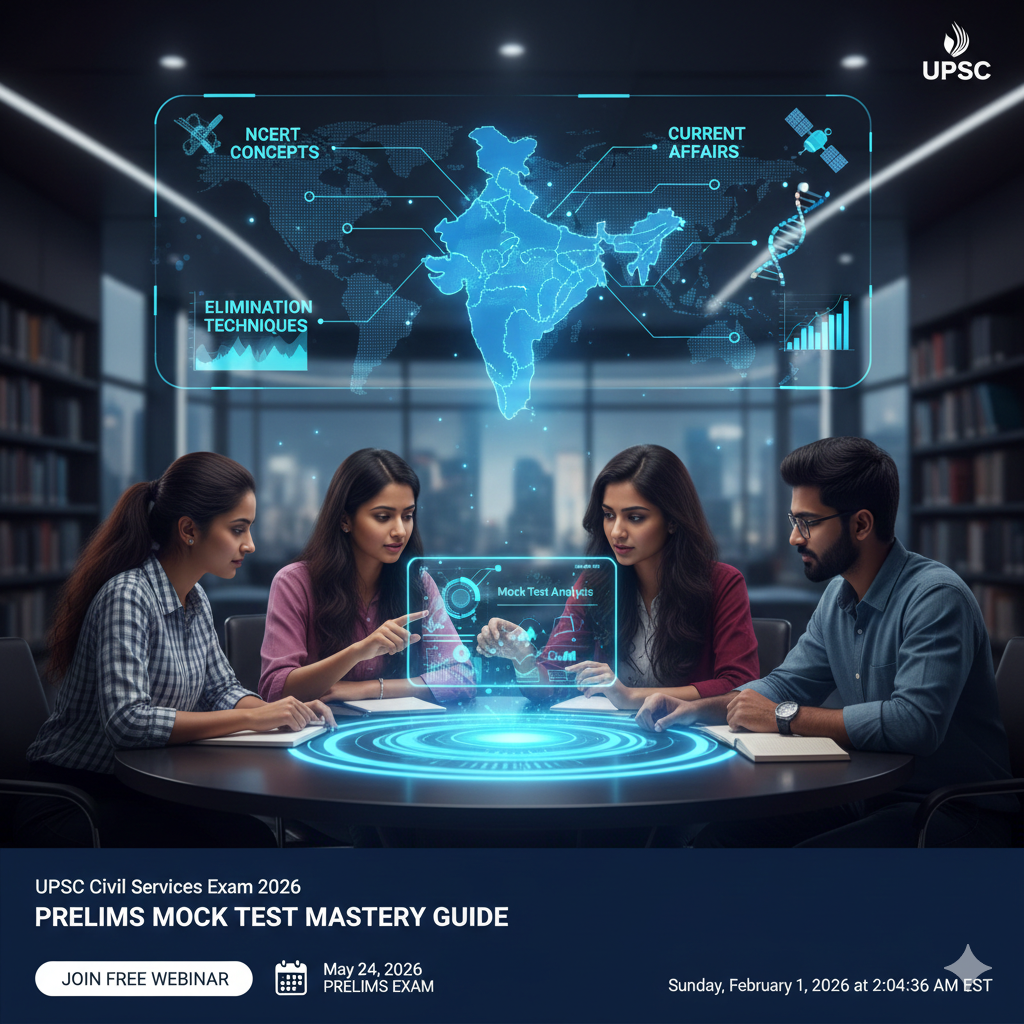
UPSC Civil Services Exam 2026: Prelims Mock Test Mastery Guide
Are you aspiring for a coveted position in the Indian Civil Services? Thousands of candidates dream of securing a prestigious Sarkari Result and embarking on a rewarding career. While the UPSC CSE 2026 notification (originally slated for Jan 14) has seen a brief administrative delay, the exam date is fixed.
Mastering the Prelims stage is paramount. Strategic preparation through mock tests is the ultimate key to cracking this highly competitive Govt Job 2026 opportunity.
📊 UPSC Civil Services 2026: Official Exam Timeline
| Event | Scheduled Date |
| Notification Release | Expected Shortly (Delayed from Jan 14) |
| Application Deadline | To Be Announced (Expected Feb 2026) |
| UPSC Prelims Exam Date | May 24, 2026 (Sunday) |
| UPSC Mains Exam Date | August 21, 2026 (Friday) |
| Official Website | [suspicious link removed] |
🎓 Eligibility & Selection Process
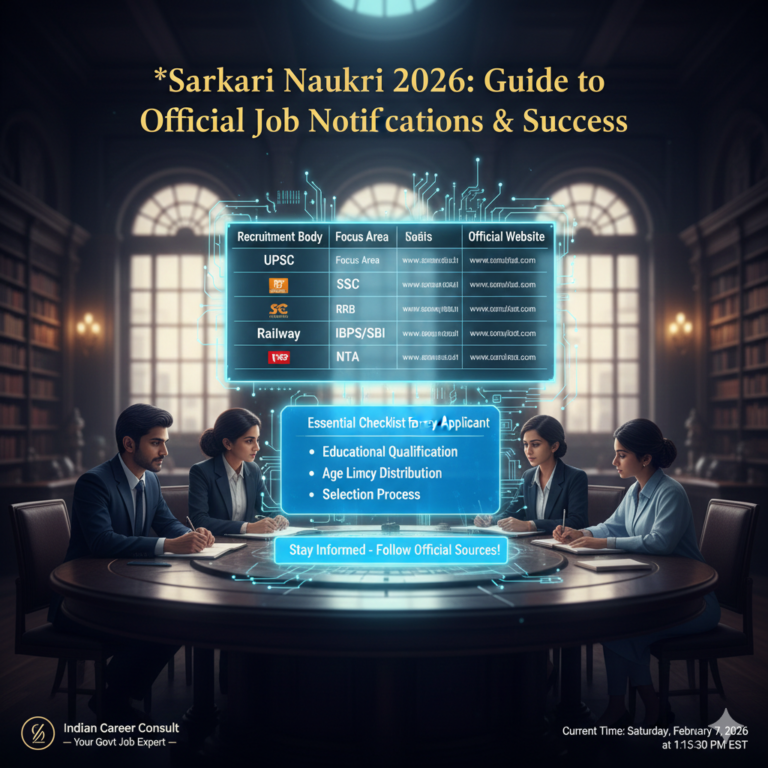
To succeed in the UPSC 2026 cycle, you must navigate a rigorous three-tier process:
-
Educational Qualification: A Bachelor’s degree from a recognized university in any discipline.
-
Age Limit (as of Aug 1, 2026): 21 to 32 years for General candidates.
-
Relaxations: OBC (3 years), SC/ST (5 years), PwBD (10 years).
-
-
The Selection Stages:
-
Preliminary Exam: Two objective-type papers (GS Paper I and qualifying CSAT).
-
Main Exam: 9 descriptive papers assessing in-depth academic and analytical traits.
-
Personality Test: An interview to assess mental aptitude and suitability for public service.
-
🔬 Strategic Mock Test Mastery: The Roadmap to Success
Experts and toppers emphasize that your Sarkari Result depends on how you analyze tests, not just the quantity you take.
1. Stage-Wise Testing Strategy
-
Phase 1: Foundation (Now – Feb): Focus on Sectional Tests (5–10 tests). Identify weak subjects and refine conceptual clarity using NCERTs.
-
Phase 2: Consolidation (March – April): Shift to Full-Length Mock Tests (1–2 per week). This builds exam-day stamina and improves time management.
-
Phase 3: Intensive (May): Increase frequency to 2–3 tests per week. Simulate real exam conditions (9:30 AM and 2:30 PM shifts) to sync your biological clock.
2. The “Analysis-First” Rule
Spending 2 hours on a test and 0 hours on analysis is a waste. For every mock, you must:
-
Review Incorrects: Was it a “silly mistake,” a “guess gone wrong,” or a “knowledge gap”?
-
Refine Elimination: Science and Tech or Environment questions often require ruling out extreme statements. Practice this logic daily.
-
Track Your Range: Aim for a cumulative total of 30–50 full-length tests to ensure you are ready for any difficulty level.
📝 How to Apply (Once Notification is Live)
-
OTR Registration: Complete the One-Time Registration at upsconline.nic.in.
-
Fill Application: Log in and enter your preference for services (IAS, IPS, IFS, etc.) and exam centers.
-
Upload Documents: Ensure your photograph is recent (not older than 10 days) and includes your name and the date of the photo.
-
Fee Payment: Pay the ₹100 fee (Female/SC/ST/PwBD candidates are Exempted).
-
Final Submission: Print your application for your records.